It's 5:12 AM. Your baby is awake, and despite your best efforts, they have absolutely no interest in going back to sleep.
You've tried waiting a few minutes, going in to offer comfort, maybe even feeding them, but somehow you're still staring at the clock wondering if this is just your life now.

The good news? Early morning wakings aren't always something you just have to accept. There are several reasons your baby might be waking before 6 AM, and understanding what's behind those wake-ups can make a big difference in figuring out how to fix them.
Let's talk about what might be going on.
What Is Considered an Early Morning Waking For a Baby?
Before we get into why your baby is waking so early, let's establish what we're actually talking about.
For most babies, anything before 6:00 AM is considered an early morning wake-up. Most babies do well with an earlier bedtime, typically somewhere between 6:30–8 PM, and a morning wake-up between 6–8 AM.

This has a lot to do with your baby's circadian rhythm, or internal body clock. Babies are particularly sensitive to light cues, which help regulate their natural sleep and wake patterns. As morning approaches, their bodies naturally begin preparing to wake up.
That said, there's a difference between a baby who wakes at 5:45 AM after getting 11 hours of nighttime sleep and a baby who wakes at 5 AM, is clearly still tired, and can't seem to get back to sleep.
If your baby is consistently getting 10–12 hours of sleep at night and waking up happy, their schedule may actually be working just fine or you might need to consider pushing their bedtime back or decreasing their total amount of daytime sleep. Reading this blogpost next to figure out your baby’s ideal bedtime.
Why Does My Baby Wake Up Early in the Morning and Refuse to Go Back to Sleep?
There isn't one single reason babies wake early. In fact, the early morning hours are a particularly tricky time for sleep because sleep pressure (your baby's natural drive to sleep) is at its lowest.
This means even a small disruption that your baby might sleep through earlier in the night can be enough to wake them up for good in the early morning.
Here are some of the most common reasons I see:
Your Baby Might Be Hungry
One of the first things I'd consider, especially with younger babies, is hunger.
Many babies still need a nighttime feed until around 9 months old. While every baby is different, it's not unusual for a baby between 6–9 months to still need one feed overnight, often somewhere between 4–6 AM.
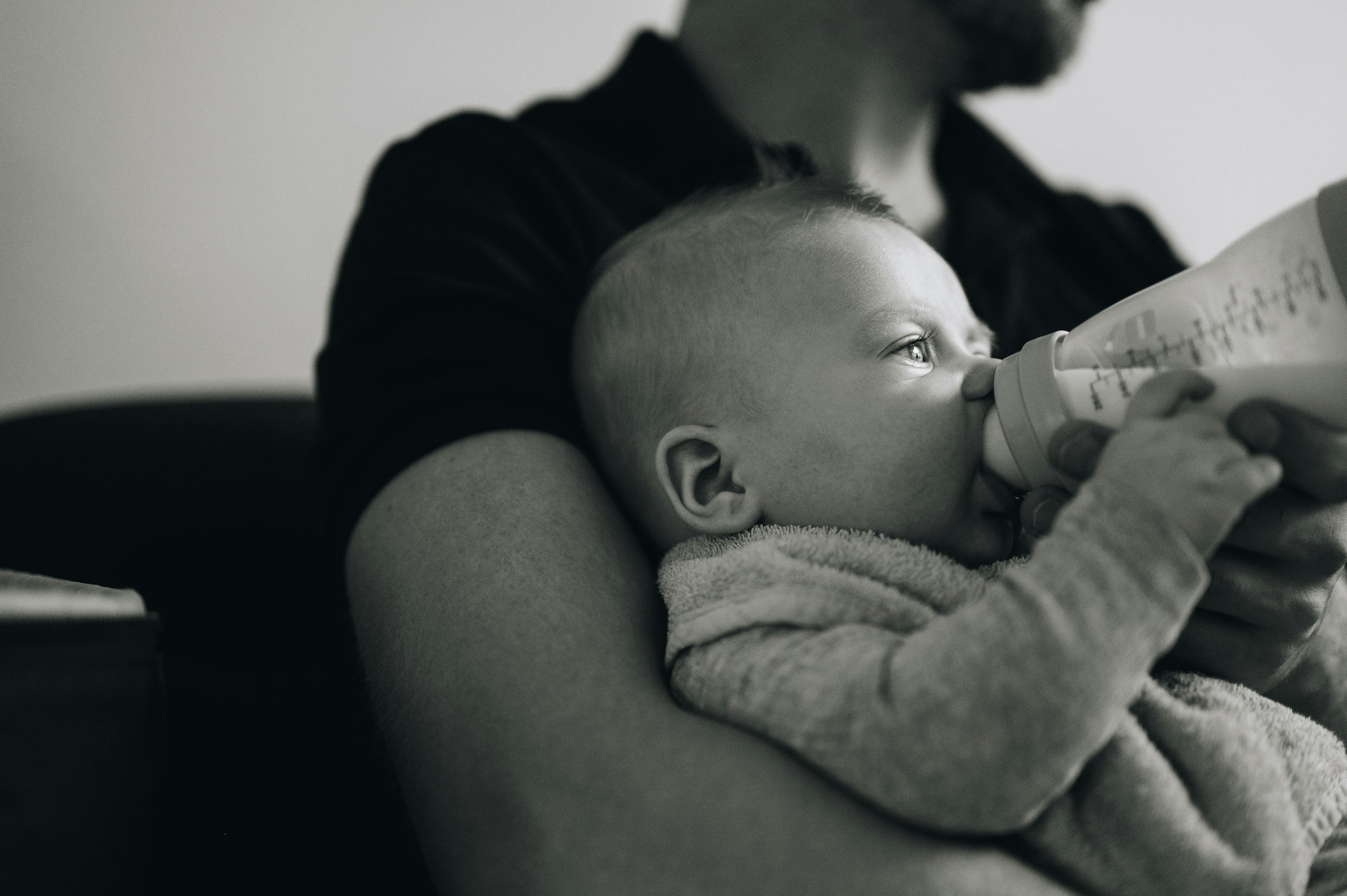
If your baby is under 9 months and wakes before 6 AM, I'd consider offering a feed but treating it like a nighttime waking rather than the start of the day. Keep the lights low, keep things quiet, and once they've had a good burp, lay them back down.
It's okay if it takes them a little while to fall asleep again. The goal is to give them the opportunity to finish out the night rather than accidentally establishing 5 AM as their regular wake-up time.
Curious how to drop that night feed when it’s time? Read this blogpost next.
Your Baby Could Be Uncomfortable
Sometimes the reason your baby wakes early and won't go back to sleep has very little to do with their sleep schedule.
Discomfort can make it difficult for babies to settle back to sleep, particularly in those early morning hours. Gas, reflux, and ear infections are a few things worth considering.
Gas can cause cramping and pressure, especially in younger babies. You might notice your baby squirming, pulling their legs toward their belly, crying suddenly, or struggling during feeds.
Reflux is another possibility. Some babies experience more discomfort when lying flat, and not all babies with reflux have obvious spit-up. You might notice fussiness after feeds, back arching, frequent pulling off the breast or bottle, or gagging.
Ear infections can also make lying down uncomfortable because of pressure on the eardrum. If your baby is unusually fussy, tugging at their ears, having trouble sleeping, or running a fever, it's worth checking in with your pediatrician.
If you suspect discomfort is contributing to your baby's early mornings, I'd look into that before making major changes to their sleep schedule.
Their Sleep Environment Might Be Waking Them Up
You might have the perfect sleep environment at bedtime, but what happens in your baby's room at 5 AM?
Early morning is when little changes in the environment can become a problem. The sun starts coming up, the temperature may shift, and the rest of the neighborhood starts waking up.
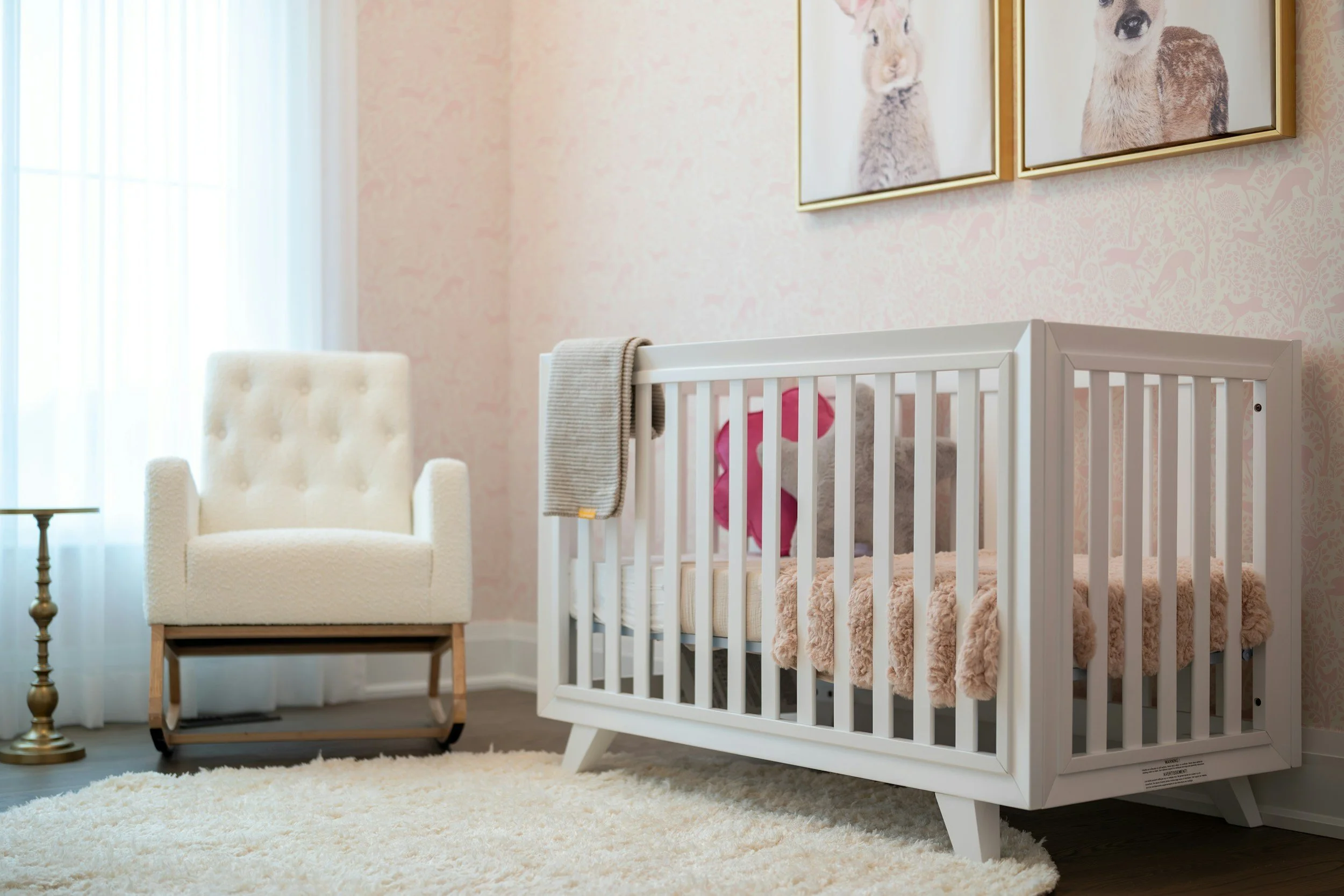
Even a tiny sliver of light coming through the curtains can be enough to disrupt sleep for a sensitive baby. Light influences melatonin production and helps signal to the body that it's time to wake up.
Temperature matters, too. A room that's too warm or too cold can make it harder for your baby to stay comfortable throughout the night. A temperature around 68–72°F is often a good starting point.
And don't forget about noise. Garbage trucks, birds chirping, a sibling getting up, or even the sound of someone getting ready for work can be enough to wake your baby.
I'd take a look at the room during the actual time your baby is waking. Is it getting brighter? Are there new sounds? Is the temperature changing? Sometimes a small environmental adjustment is all that's needed.
Your Baby's Sleep Schedule Might Need Adjusting
This is one of the biggest things I'd look at when a baby consistently wakes early and won't go back to sleep.
Your baby's daytime sleep has a pretty significant impact on nighttime sleep. And both overtiredness and undertiredness can contribute to early morning wakings.
An overtired baby has stayed awake too long or hasn't gotten enough daytime sleep. When this happens, their body can produce stress hormones like cortisol and adrenaline, which can make it harder to fall asleep and stay asleep.
On the other hand, an undertired baby simply hasn't built up enough sleep pressure to stay asleep as long as you'd expect. They may take 20 minutes or longer to fall asleep, spend time babbling or rolling around in their crib, or wake up early feeling perfectly happy.
And here's where things get confusing: both can result in a baby waking before 6 AM.
If you're dealing with consistent early morning wakings, I'd take a closer look at the entire day's schedule. How much daytime sleep is your baby getting? How long are their wake windows? How easily are they falling asleep for naps and bedtime?
Check out our FREE Mini Scheduling & Sleep Needs Guide for help with all things scheduling and figure out what that should look like for your baby!
Your Baby Might Need Independent Sleep Skills
If your baby wakes early in the morning and won't go back to sleep unless you step in, I'd also take a look at how they're falling asleep in the first place.
If your baby relies on rocking, feeding, or being held to fall asleep, they may look for that same help when they wake between sleep cycles.
These are called sleep associations. Some are independent, like white noise, while others are dependent, like needing to be rocked or fed all the way to sleep.
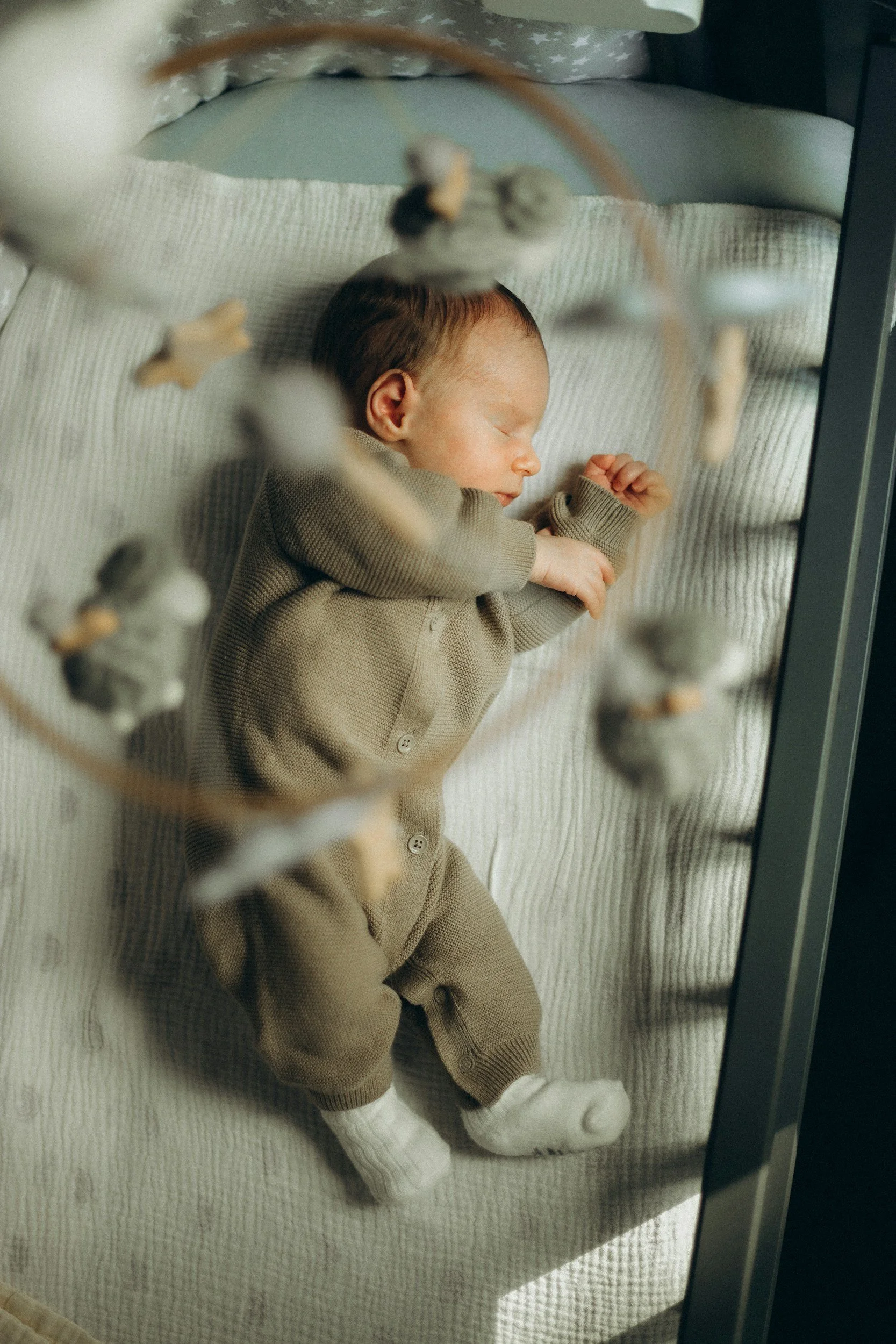
The early morning hours are particularly challenging because sleep pressure is naturally lower. Your baby has already gotten most of their nighttime sleep, so transitioning between those final sleep cycles can be harder.
If they haven't developed the skills to fall asleep independently, they may struggle to connect that last sleep cycle and end up waking for the day.
And this can happen even if your baby seems to fall asleep independently at bedtime.
For example, maybe your baby can fall asleep at bedtime but wakes 30–45 minutes into a nap and needs your help getting back to sleep. That tells me they have some of the foundational sleep skills down, but may still struggle to transition between sleep cycles once their sleep pressure drops.
The goal isn't just for your baby to fall asleep independently. It's for them to have the skills to stay asleep and transition between sleep cycles without needing the same help each time.
Check out this blogpost if your curious how to help your baby learn how to fall asleep on their own!
Need Help Figuring Out Why Your Baby Keeps Waking Early?
If you've tried adjusting wake windows, moving bedtime, changing naps, and just about everything else you can think of, but your baby is still waking at 5 AM, I'd love to help.
In my 1:1 baby sleep consultations, we look at the full picture of your baby's sleep, figure out what's contributing to those early mornings, and create a personalized plan that actually makes sense for your little one.
Because sometimes you don't need to try harder or find another sleep tip. You just need someone to help you connect the dots.
