A baby sleep blog for tired parents who just want to know they’re not doing it wrong.
If you’ve ever found yourself Googling “Why won’t my baby sleep?” at 3 a.m. — hi, you’re in the right place.
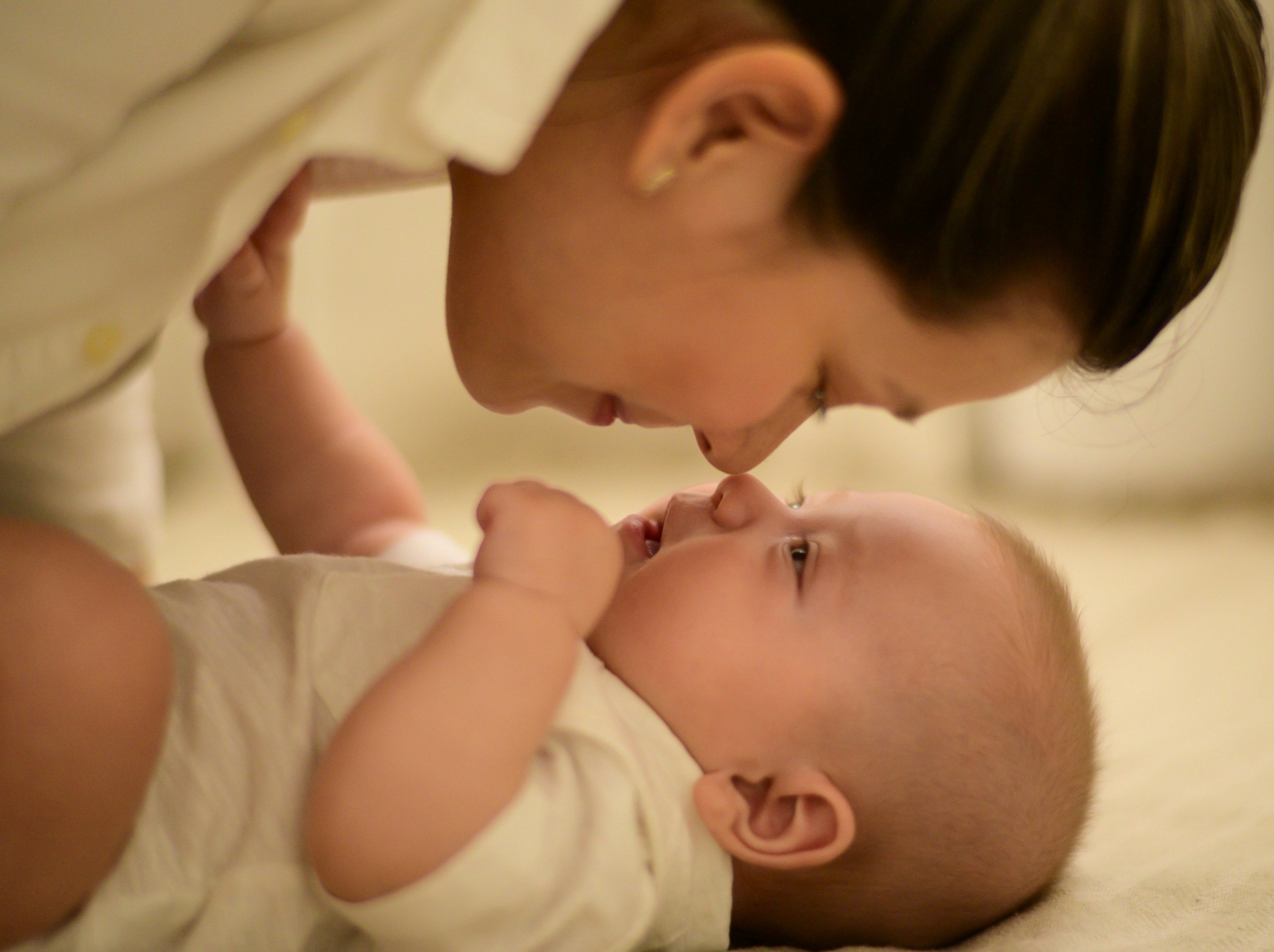
As a baby sleep consultant who’s worked with dozens of families (and lived through this season myself), I can’t tell you how many “I wish someone had told me this sooner” truths I’ve picked up along the way. Things that would save so many new moms from assuming they’re failing, doing something wrong, or missing some magical secret everyone else seems to know.
So think of this post as the pep talk + reality check I wish every new mom could hear. The things that are normal. The things no one tells you. And the very real reasons your baby’s sleep makes way more sense than it seems.
Let’s get into it. 💛
1. Your newborn will sleep best on you.
Not because you messed up a wake window. Not because your baby “hates” their bassinet. And definitely not because you’re creating bad habits.
Your baby literally just came from the ultimate contact nap—the womb.
Your chest regulates their breathing, heart rate, temperature… everything. You are their home. Of course they sleep best on you.
Read this blog next about the top 3 things I recommend implementing from day one to help your newborn sleep as good as possible.
2. 30–45 minute naps are incredibly normal until around 5–6 months.
Long naps are the exception, not the rule, in the early months. While some newborns give you those dreamy 1+ hour naps, most settle into 30–45 minute naps around 3–4 months and stay there for a while.
If you can tell your baby is still tired after a short nap, you can try helping them back to sleep or finish with a contact nap. But nothing is wrong. This phase gets better around 5–6 months for most babies.
Hang in there—you’re doing it right.
If your baby is 5+ months and you’re still riding the short naps, read this blogpost about lengthening short naps!
3. The 4-month sleep regression is real… and necessary.

Right around 3–5 months, your baby’s sleep takes a huge leap forward. Their sleep structure shifts from two stages to four (like an adult), which means they now fully wake between sleep cycles.
You roll over and fall back asleep without thinking. Your baby is just learning how to do that—so naps get short and nights get choppy. It’s frustrating, but it’s also a sign their brain is developing exactly as it should.
4. Most babies still need at least one night feed until around 9 months.
One of the biggest questions I get is:
“When will my baby sleep through the night?”
There’s no universal answer, but many babies continue to need one night feed until about 9 months. If your baby is older than 6 months and waking multiple times, often only one of those wakes is for true hunger.
Need some help weaning night feeds? Check out this blog post next.
5. There is no “wrong” way to help your baby fall asleep.
If it’s safe and it’s working for you, that is all that matters.
Rocking, nursing, holding, bouncing… these are not bad habits. They are sleep associations. And you get to choose which ones feel right for your season, your family, and your mental health.
6. It’s okay if some naps happen on the go.
Stroller naps, carrier naps, car naps—life doesn’t freeze because you have a baby.
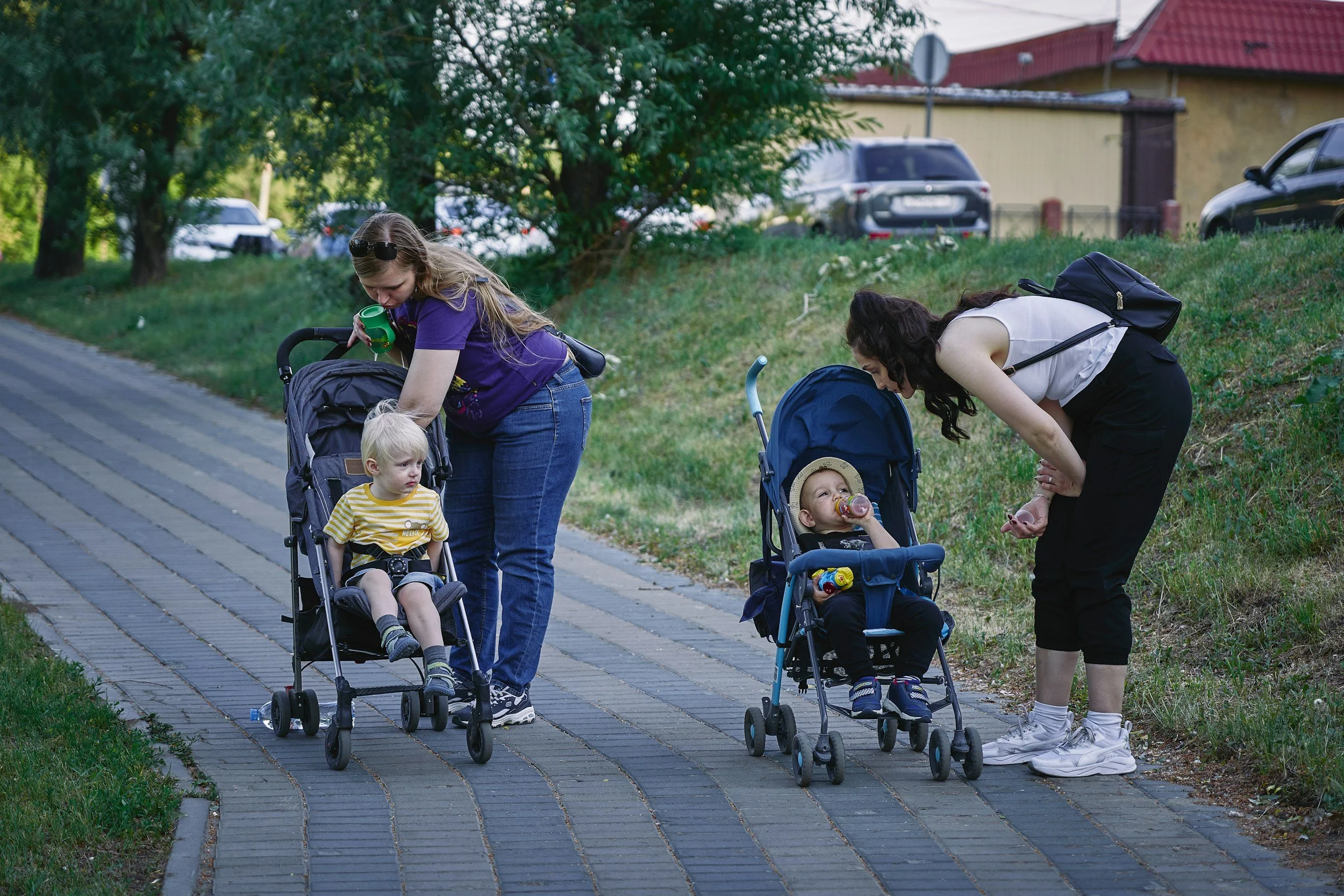
If you need to get out of the house, run an errand, meet a friend, or simply protect your mental health, on-the-go naps are absolutely okay. A skipped or shortened nap here and there won’t derail everything.
You can always reset the next day.
7. Not all babies need blackout darkness… but some really do.
This depends so much on temperament.
Some babies can nap with light in the room; others (especially the curious, high-FOMO babies) need pitch black to settle and stay asleep.
If your baby struggles with stimulation, blackout curtains and white noise may become your best friends.
8. Keeping your baby awake longer will not help them sleep longer.
I know—this makes sense for adults. But babies are wired differently.
When they stay awake too long, their body releases cortisol and adrenaline (hello, second wind), which makes it harder for them to fall and stay asleep.
The sweet spot is age-appropriate wake windows—not too short, not too long.
Read this blogpost to figure out your baby’s ideal wake windows.
9. Not always loving contact naps does NOT make you a bad mom.
You can adore your baby and want to eat your breakfast with both hands.
You can love snuggles and crave time alone.
You can need a break and be a great mom.
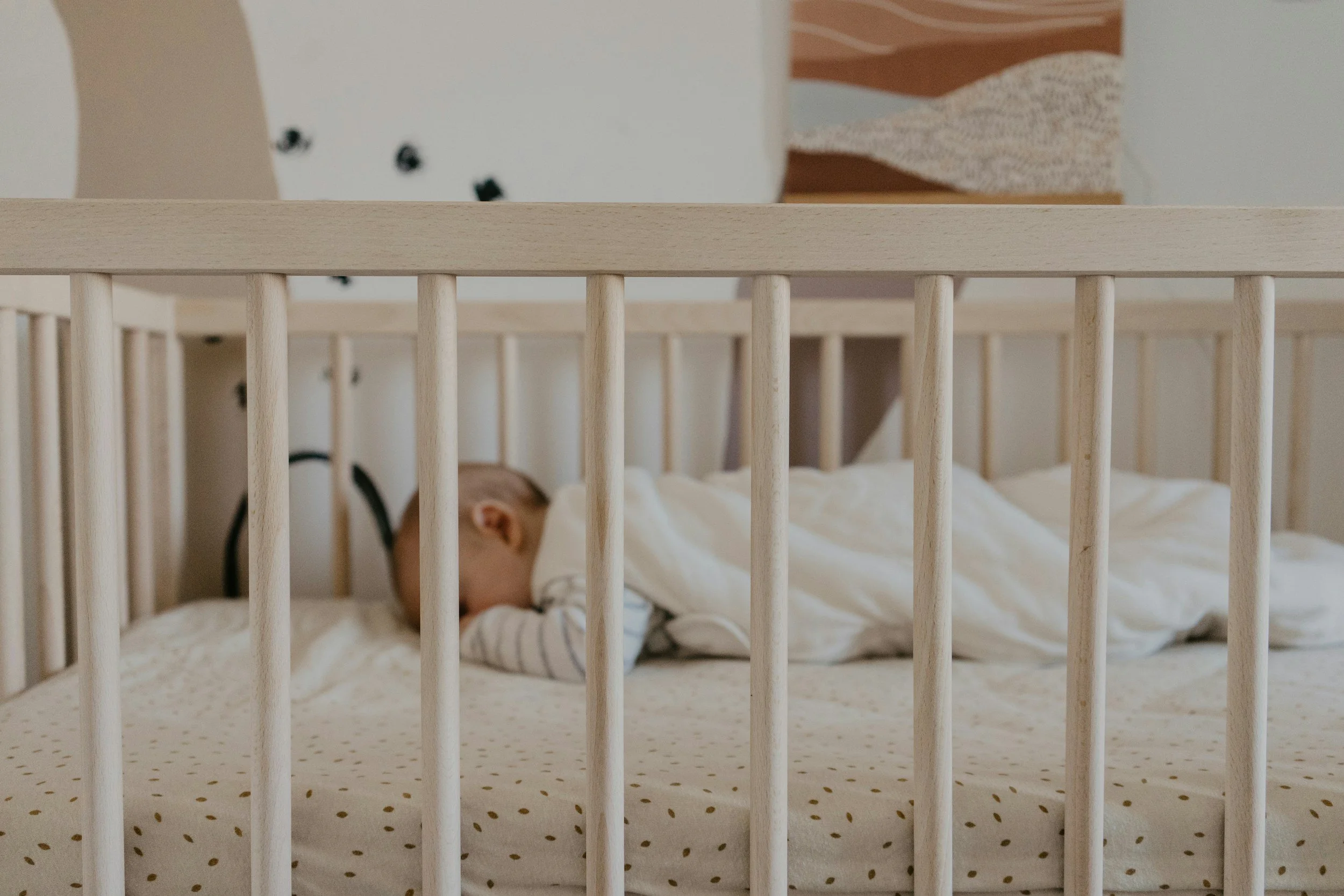
Wanting space sometimes doesn’t make you ungrateful, it makes you human.
Need some tips to make those independent naps happen once in awhile? This blogpost can help you.
10. Sleep training doesn’t harm attachment (and you don’t have to do it).
The internet can make sleep training feel scary, but here’s the truth:
There are 50+ years of research—including long-term follow-up studies—and they all show that sleep training is a safe, effective way to improve sleep and does not harm attachment.
That said, you never have to sleep train.
You get to choose what feels right for your family, free from pressure or fear.
Interested in reading the research yourself? This post will get you pointed in the right direction.
11. How your baby sleeps is NOT a reflection of your parenting.
Read that again.
Some babies are born solid sleepers.
Some… are not.
It has nothing to do with how patient, loving, or consistent you are.
You are not broken.
Your baby is not broken.
And it really will get better.
Want to work with an online baby sleep consultant?
If you’re craving clarity and practical guidance, my Nap Guide walks you through every daytime sleep question from 0–24 months—wake windows, regressions, nap transitions, short naps, and more.
For personalized, hands-on support, I’d love to work with you 1:1. You can learn more about our services here.
Xoxo,
Mallory — your online baby sleep consultant 💛
