How to Transfer Your Baby From Arms to Crib Without Waking Them Up
Transferring a sleeping baby from your arms to the crib can feel a little bit like playing roulette — you truly never know which way it’s going to go. Sometimes it’s silky smooth and sometimes your baby has a sixth sense that you dared to even think about putting them down.
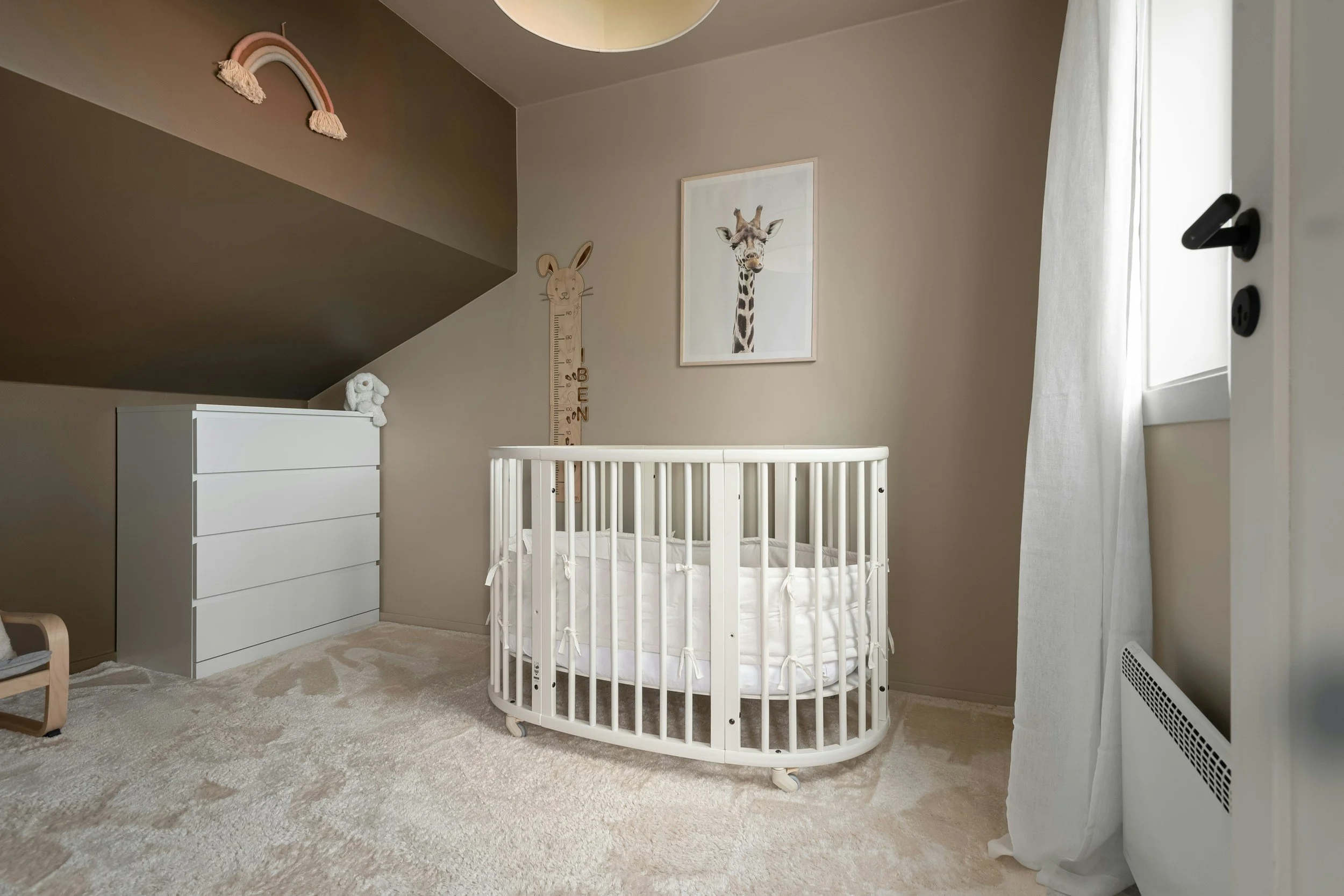
This guide will walk you through what to do before, during, and after the transfer so you can make the process as smooth as possible. And here’s your gentle reminder from an online baby sleep consultant: don’t overthink it.
Sometimes the more careful, slow, and silent you try to be, the more you accidentally wake your baby. Take a deep breath. Then put your sweet baby down with confidence.
Prep Before You Transfer a Sleeping Baby
Sleep with your baby’s sheets
Sounds silly, but it works. Babies experience the world through their senses, and familiar smells are deeply comforting. Tuck their sheets into your bed for a night or two, it helps the crib smell like “home.”

2. Swaddle (if appropriate)
If you’re transferring a newborn, swaddling makes a huge difference. Their startle reflex is strong, and wrapping them securely helps prevent those accidental jolts awake. Drop the swaddle as soon as your baby shows signs of rolling.
3. Wait 10–15 minutes
You want to transfer your baby once they’re in a deeper stage of sleep. This usually happens around the 10–15 minute mark. But don’t wait too long — babies start shifting back toward lighter sleep after about 30 minutes.
During the Transfer
Keep baby close to your body
The less distance between you and your baby as you lower them down, the better. Reach with your whole body instead of just your arms — this minimizes the fall sensation that triggers the startle reflex.
Lay feet first
Avoid placing them flat on their back all at once. Instead, lower feet → bum → head. It’s a tiny tweak that makes a big difference.

3. Shush during the transfer
Keep that noise going before, during, and after the transfer gives your baby something consistent to latch onto while you move them.
After the Transfer
Your baby might stir, but don’t panic. Give them a few minutes to see if they settle before scooping them back up.
Keep shushing
Start louder if you need to, then slowly soften your shush as you step away.
Gentle pats or hand on chest
A light bum pat or a steady hand on their chest can help soothe them through the transition. Think “jiggly but subtle.”
Don’t draw out your exit
Slow exits often backfire. Confident and quick is usually best.
If Transferring Just Isn’t Working Anymore
As babies get older, they often become harder to transfer. At a certain point, my best advice as an online baby sleep consultant is simple: Avoid the transfer altogether! Work on helping your baby fall asleep in the crib — with your support or independently (when developmentally appropriate).

Newborns naturally need lots of help falling asleep. These tips will help you get longer stretches in their bassinet or crib, but transfers won’t always be perfect and that’s normal. Want more newborn sleep tips?
Check out my newborn sleep blog post here.
If your baby is 4-6+ months, you can choose to teach independent sleep if and when you’re ready. If you want to learn more about sleep training, this blog post is a great place to start.
If sleep just isn’t working, or you want someone to take the guesswork out, I’d love to work with you 1:1. We’ll look at your baby’s sleep patterns, temperament, feeding, environment, and what matters most to your family. Learn more about 1:1 support here!
